










Last Updated on October 24, 2025 by Jacqualyn
Addison’s Disease in dogs (also called canine adrenal insufficiency) is a rare but serious condition. Some dogs have atypical Addison’s disease in dogs, where cortisol is low but electrolytes look normal, which makes it easier to miss. While it can be life-threatening if untreated, early detection, proper treatment, and ongoing care can help your dog live a full, happy life.
At-A-Glance
For us, Addison’s Disease became more than just a medical term — it became personal. Our beloved Havanese, Miss Prada, was misdiagnosed for years before a team of veterinary specialists finally identified her condition. Her journey has inspired us to help other pet owners recognize the signs early and feel confident managing this disease.
What Is Addison’s Disease in Dogs?
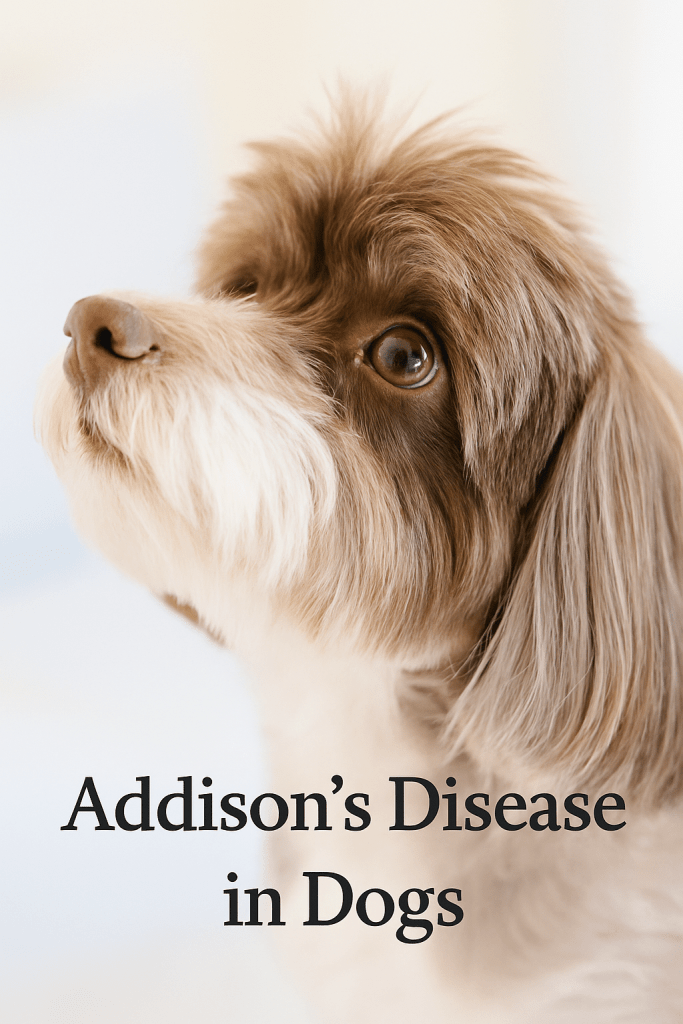
Addison’s Disease affects the adrenal glands, which are responsible for producing hormones like cortisol and aldosterone. These hormones regulate everything from metabolism to stress response and electrolyte balance.
When the glands fail to produce enough hormones, a dog can experience:
- Weakness and lethargy
- Loss of appetite
- Weight loss
- Vomiting and diarrhea
- Shaking or muscle tremors
- Increased thirst and urination
- Collapse during stressful situations (Addisonian crisis)
Because symptoms are often vague and intermittent, Addison’s Disease can easily be mistaken for other illnesses, which is exactly what happened with Miss Prada.
Miss Prada’s Story – From Misdiagnosis to Hope
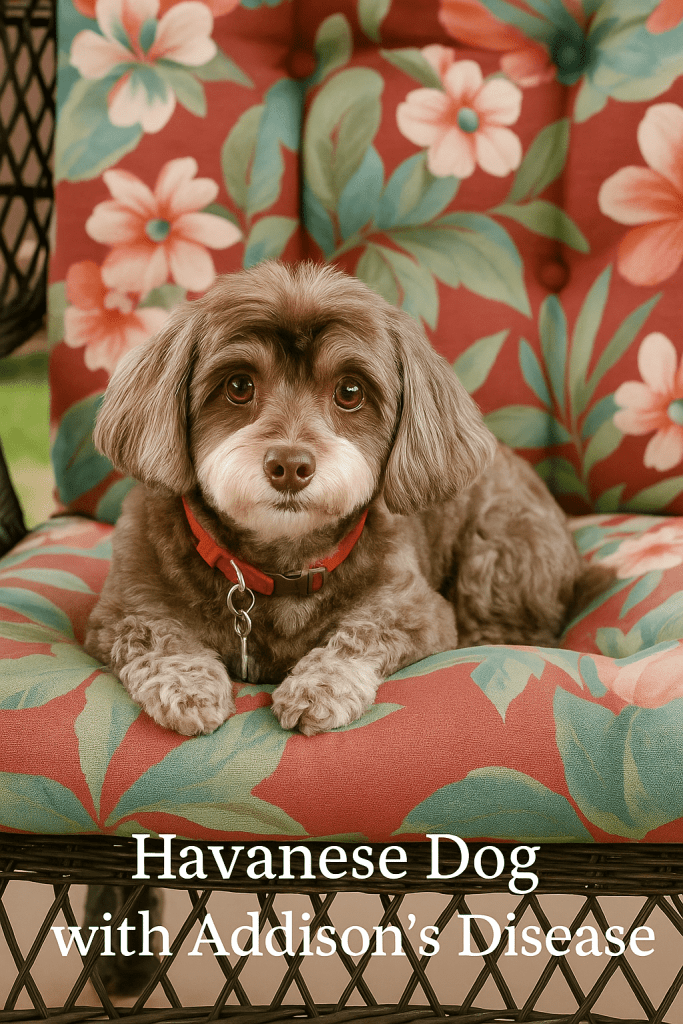
For more than 3 years we searched for answers. Prada’s symptoms came and went — stomach upset, trembling, exhaustion after the smallest stress. We were treating “everything and nothing” at the same time, and at one point she was on 11 different medications. That is a lot of medicine for an 8.5-pound little girl. My gut knew something bigger was wrong.
Then came the night I call our “November to Remember.” It was the day after Thanksgiving, and Prada was so sick she was throwing up blood. I rushed her to a highly recommended vet clinic in Delray Beach, Florida. For three weeks we were there almost daily. They tested her for everything — even worms — but never looked in the right direction. Instead, they kept adding drug after drug until my precious girl was dehydrated, weak, and slipping away. I was taking her twice a day just for hydration packs, and I felt completely hopeless watching her suffer.
At one point I even called Prada’s original doctor back in Texas, desperate to fly or drive her to Texas A&M. But I was advised not to risk the trip in her condition. So I stayed, praying for a breakthrough. Finally, one evening at the clinic, a vet I had barely spoken with before came out into the waiting room and quietly asked to speak with me. To my shock, she admitted she had been following Prada’s case and was deeply concerned. Risking her own job, she told me plainly: “You need to get your dog out of here.” She urged me to ask for a referral to the University of Florida Small Animal Hospital the next morning.
I looked at her and said, “Hell no. You get me those records right now, and you call them right now. I’m taking her tonight.”

And that’s exactly what I did. I can still see the hydration packs strapped to Prada’s back, her little body so fragile, and my sister Jody sitting beside me in the passenger seat, praying as I drove through a brutal storm across Alligator Alley at 11:00 pm. We were racing the clock to the University of Florida Small Animal Hospital, terrified and begging God to carry her — and us — the whole way.
When we arrived, a team of more than a dozen specialists worked around the clock. Prada was placed in ICU for four days, and during that time we couldn’t even see her. She had a veterinarian with her 24 hours a day, monitoring her every heartbeat and breath. It was agonizing being separated from her, but I knew she was finally in the right hands. The team detoxed her from unnecessary meds, stabilized her, and began running every test they could.
For an even deeper look at her long journey, read Miss Prada’s full dog health journey.
Finally, the ACTH stimulation test gave us the answer that had been hiding in plain sight: Atypical Addison’s Disease. Her sample was even sent to Texas A&M, and that wait felt like an eternity — but it gave us the truth we needed. On Christmas Eve we were released and made it back to Delray in time for Christmas Day lunch with my son. Prada was stable but not out of the woods by any means.
With the correct diagnosis and a treatment plan in place, I watched our girl’s spirit return — she is a fighter and she fought hard. The sparkle in her eyes, the sass, the prance — our Prada was back. That season taught me two things: trust your instincts and advocate without apology. If something feels off, push for the right tests, ask about atypical Addison’s specifically, and never be afraid to get a second or third opinion. Want to explore more on canine health? Visit our Pet Health Care section for resources and real stories.
Here’s a quick look at how it all unfolded:
- Collapse: Prada suddenly crashed, fragile and weak, with hydration packs on her back.
- Emergency Drive: In a brutal storm, my sister Jody and I raced across Alligator Alley to the University of Florida Small Animal Hospital.
- ICU Care: Prada spent 4 days in ICU in a full-blown Addisonian crisis, monitored 24/7 by a veterinarian, while a team of specialists stabilized and supported her.
- Diagnostics: Bloodwork, imaging, and finally an ACTH stimulation test (sample sent to Texas A&M).
- Diagnosis: Confirmed Atypical Addison’s Disease.
- Recovery: With treatment, Prada’s sparkle, sass, and spirit slowly returned.
Pro Tip for Pet Parents:
If your dog has vague, on-and-off symptoms — like stomach upset, shaking, or sudden crashes under stress — don’t settle for a vague label. Ask your vet directly about an ACTH stimulation test. Even if bloodwork looks normal, this test can reveal Atypical Addison’s Disease, the same condition that nearly took my baby girl Prada’s life.
How Addison’s Disease In Dogs Is Diagnosed
What to Know About Atypical Addison’s Disease in Dogs

Atypical Addison’s disease in dogs looks different from the “typical” form because electrolytes can remain normal even when cortisol is low. That’s why routine bloodwork may miss it. If your dog has vague GI issues, low energy, or crashes under stress, ask your vet about an ACTH stimulation test. With a tailored treatment plan and regular monitoring, dogs with atypical Addison’s often return to a happy, active life.
Vets may suspect Addison’s based on symptoms and screening labs, but the definitive test is an ACTH stimulation test. This measures how the adrenal glands respond to adrenocorticotropic hormone, which should trigger cortisol production. This is why vets often miss atypical Addison’s disease in dogs—the bloodwork can appear normal while cortisol levels are dangerously low. In dogs with Addison’s, the response is absent or minimal.
Other diagnostic steps may include:
- Electrolyte testing (sodium and potassium levels)
- Complete blood count
- Urinalysis
- Imaging (ultrasound)
Treatment & Management
Addison’s Disease is typically managed with:
- Hormone replacement therapy — daily oral medication for cortisol replacement, and sometimes monthly injections for aldosterone support.
- Stress management — reduce exposure to stressful situations that could trigger an Addisonian crisis.
- Regular vet check-ups — to monitor hormone levels and adjust medications as needed.
Holistic support can also help improve quality of life:
- A balanced, nutrient-rich diet tailored to your dog’s needs
- Gentle, regular exercise
- Mental stimulation through play and training
- Supplements recommended by your vet for adrenal health
Living Well with Addison’s Disease
If you connected with Miss Prada’s story, you might also enjoy reading Miss Prada’s Full Dog Health Journey. It’s a heartfelt look at how love, faith, and persistence helped her heal. You can also visit our Pet Health Care section for more real stories and gentle guidance to help your furry family thrive.
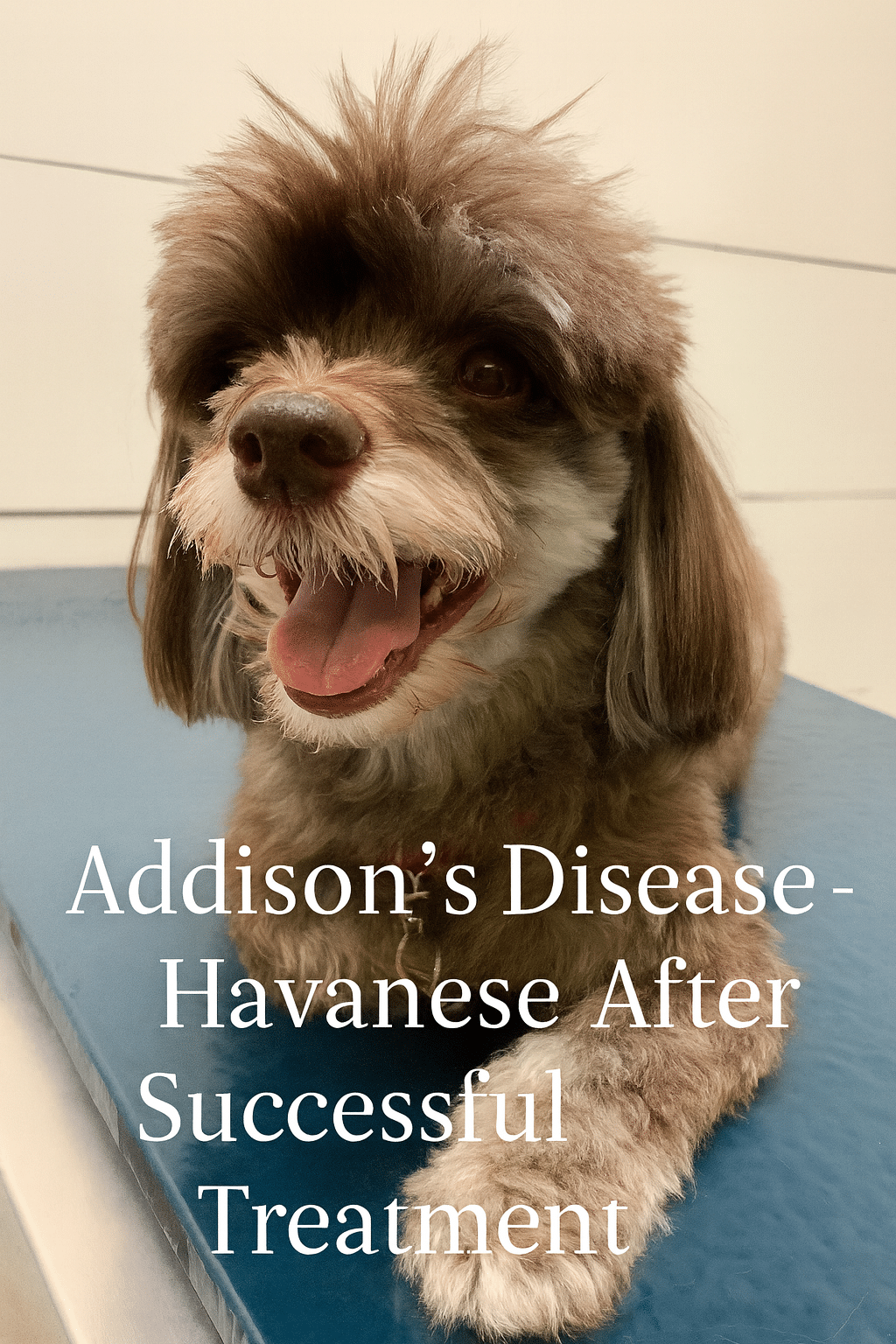
While Addison’s Disease is a lifelong condition, it’s not a life sentence. With the right treatment, most dogs go on to live normal, active lives. The key is staying consistent with medication, monitoring changes in your dog’s behavior or health, and building a strong partnership with your veterinarian.
Prada’s journey showed us that a diagnosis doesn’t define the life your dog can live. With proper care, patience, and lots of love, dogs with Addison’s — even atypical Addison’s disease in dogs — can return to enjoying the little joys that make them who they are: tail wags, favorite treats, and those everyday moments that mean everything.
Every day you spend caring, researching, and advocating makes a difference. Trust your instincts, ask questions, and never stop seeking the best for your furry family member. Your commitment could be the reason your pet enjoys many more healthy, joyful years by your side. Even dogs with atypical Addison’s disease in dogs can live long, joyful lives when properly managed with treatment, diet, and love. Looking for more pet wellness inspiration? Explore our latest posts in Pet Health Care Tips and Holistic Health & Wellness — because caring for our pets and caring for ourselves truly go hand in hand.
Have a story of your own? We’d love to hear how you’ve cared for your pet through a challenging diagnosis. Contact us here and help inspire and guide other pet parents on their journey.
Understanding Atypical Addison’s Disease in Dogs
Most people have heard of Addison’s in its “typical” form, where both cortisol and aldosterone production are impaired. But in atypical Addison’s, only cortisol production is affected, leaving electrolyte levels (sodium and potassium) within normal range. This is one reason it’s often missed during routine bloodwork — the most obvious red flags simply don’t appear.
Over time, atypical Addison’s can progress to the typical form, which means regular monitoring is critical. Catching it early not only reduces the risk of sudden collapse, but it also helps your veterinarian tailor treatment to your dog’s needs.
Key differences between typical and atypical Addison’s Disease in dogs:
- Typical: Low cortisol and low aldosterone (electrolyte imbalance).
- Atypical: Low cortisol only (electrolytes often normal).
- Risk: Atypical can become typical over time if untreated.

Atypical Addison’s Disease in Dogs – Frequently Asked Questions
Q: What is atypical Addison’s disease in dogs?
A: A form where cortisol is low but electrolytes remain normal, so routine bloodwork may look fine. Diagnosis usually needs an ACTH stimulation test.
Q: Can atypical Addison’s become typical?
A: Yes. Some dogs progress over time, so periodic labs and vet follow-ups are important.
Q: Is atypical Addison’s treatable?
A: Most dogs do very well with hormone replacement, stress management, and regular monitoring.
Early Warning Signs You Shouldn’t Ignore
One of the biggest challenges with canine adrenal insufficiency is that the symptoms are vague and can mimic many other conditions. Still, there are subtle clues that can help you piece together a clearer picture:
- Intermittent vomiting or diarrhea that comes and goes
- Seeming “off” or unusually tired after mild activity
- Disinterest in meals they normally enjoy
- Shivering or trembling during stress
- An unexplained drop in weight over weeks or months
- Periods of improvement followed by sudden decline
📋 Pro Tip: Keep a health journal. Note the date, time, and context for any unusual symptoms — diet changes, stress events, or weather shifts. This record can be invaluable for your vet when trying to connect the dots.
Supporting Your Dog Holistically
Dog Chronic Illness Care
While hormone replacement therapy is the cornerstone of treatment, there’s so much more you can do at home to help your dog feel their best. Holistic care complements medical treatment, supporting the immune system, digestion, and overall vitality.
Nutrition:
- Focus on a high-quality, easily digestible diet rich in lean proteins and fresh vegetables.
- Avoid highly processed foods and excessive fillers.
- Some dogs benefit from omega-3 fatty acids (for inflammation) and probiotics (for gut health).
Exercise:
- Gentle walks and light play help maintain muscle tone and mental health.
- Avoid overexertion, especially in extreme heat or cold.
Stress Management:
- Maintain a predictable daily routine to reduce anxiety.
- Create a safe, quiet space in your home where your dog can relax.
- Use calming tools like canine massage, soft music, or pheromone diffusers.
In Miss Prada’s later years, gentle, plant-based support made a real difference. High-quality, veterinarian-formulated CBD oil for dogs became part of her daily care — helping her stay calm, balanced, and at ease through every precious season. If you’re exploring a safe, vet-guided option, this is the one I truly trust.
Always check with your veterinarian before adding supplements or making significant dietary changes.
Holistic care isn’t just for pets — discover how holistic wellness supports people and pets alike.
When we care for our pets holistically, we give them strength — but it’s just as important to be ready for those moments when life catches us off guard.
Preventing Addisonian Crisis
An Addisonian crisis is a life-threatening emergency caused by severely low cortisol and, in typical cases, dangerous electrolyte imbalances. Quick action can save your dog’s life.
Warning signs of a potential crisis:
- Severe vomiting and diarrhea
- Collapse or extreme weakness
- Pale gums and rapid heart rate
- Low body temperature
Emergency response:
- Keep your vet’s emergency number saved in your phone.
- Have a plan for quick transportation to a veterinary ER.
- Ask your vet if you should keep an emergency dose of medication at home.
With proactive care, many dogs never experience a crisis — but being prepared offers peace of mind.
Living a Full Life After Diagnosis
Addison’s requires lifelong management, but with consistent medication, routine monitoring, and a calm, supportive home, dogs can thrive for many happy years. Your vigilance and advocacy make all the difference.
Even dogs with atypical Addison’s disease in dogs can live long, joyful lives when properly managed with treatment, diet, and love.
Resources for Pet Parents
- American Veterinary Medical Association – Addison’s Disease Overview
- Canine Addison’s Disease Support Groups on Facebook
- AKC – Addison’s Disease in Dogs
Has your dog been diagnosed with Addison’s Disease?
We’d love to hear your story. Contact us here to share your experience and help inspire other pet parents. Your journey could be the lifeline another family needs.
Conclusion
Addison’s Disease in dogs can be overwhelming at first, but it’s not the end of your pet’s story. With the right treatment, ongoing care, and a whole lot of love, your dog can thrive again. Miss Prada’s journey reminds us that our pets are fighters, and as their guardians, we are their greatest advocates. Don’t be afraid to ask questions, push for answers, and trust your instincts — because no one knows your dog better than you do.
Related Reading
Every story we share is written with love, experience, and hope — because no one understands your bond with your pet quite like you do.
If Miss Prada’s journey touched your heart, you may also enjoy these:
• Miss Prada’s Dog Health Journey
• Finding the Right Vet
• Natural Pet Care Tips for a Longer, Happier Life
If your dog needs extra calm and balance during recovery, explore a vet-approved, plant-based CBD oil for dogs that supports relaxation and comfort through every healing season. Learn more here.
“Our pets teach us resilience in ways words can’t. Their fight becomes our fight, and together, love always finds a way.” – Jacqualyn
