







Last Updated on January 15, 2026 by Jacqualyn
At-A-Glance
For the past decade or so, the word superfood has taken over headlines, health blogs, and grocery store shelves. It seems like overnight, we all started looking for magical foods that would turn us into superheroes—or at least give us a little more energy and help us age gracefully. But here’s the truth: most people are still scratching their heads trying to figure out what separates a superfood from regular food. I’ll be honest—so was I.
Before “Superfood” Was A Buzzword, It Was Just Sunday Supper
As someone who grew up in Tangipahoa Parish, surrounded by rivers, farms, gardens, and homemade meals, I was unknowingly raised on the original superfoods. We didn’t call it that. We just called it traditional family cooking. But as I learned more about health, nutrition, and disease prevention, I realized that so many of the foods we ate, fresh, homegrown, and unprocessed, were, in fact, the very foods scientists now label as “super.”
So I went digging, researching, and rediscovering the meals my great-grandparents lived on. Meals that kept them thriving well into their 90s and even 100s. Let me tell you, those old family recipes? They’re bursting with what we now call anti-inflammatory meals, immune-supporting food, and farm-to-table nutrition. We didn’t need a fancy label back then; we just needed a good appetite and a big table.
Homegrown Healing: Farm-To-Table Nutrition

The Berry Barn, pictured here, isn’t just a charming stop in my hometown; it’s a working farm run by my cousins. Generations of my family have planted, harvested, and cooked from that land. When I say we ate farm-to-table, I mean we walked outside, picked our dinner, and cooked it with love. No preservatives. No chemicals. Just good old-fashioned nourishment.
From fresh eggs and hand-churned butter to home-grown tomatoes still warm from the sun, our food was loaded with the nutrients today’s experts say support gut health, reduce inflammation, and protect the immune system. It wasn’t fancy, it was farm-to-table nutrition in its purest form.
And yes, we washed it all down with red wine and coffee. Day in and Day Out. Sound familiar? That’s because these staples are now known to be filled with antioxidants, which help support heart health and brain function.
So What Makes A Food “Super” Or a “Superfood”?

There’s no official definition for a superfood, but in general, these are foods packed with disease-fighting properties and dense nutritional value. They go beyond just keeping you alive; they help you thrive. Here are a few common qualities found in most superfoods:
- Rich in vitamins and minerals
- Packed with antioxidants and polyphenols
- High in fiber and healthy fats
- Natural anti-inflammatory properties
- Free from additives and processed sugars
Are these statements familiar to you? They should be, because for the past several years, the buzz has surrounded this type of dialogue. Well, I do not like to burst your bubble, but this is nothing new; these are the kinds of foods used in my family’s recipes for generations. We didn’t need trends to tell us how to eat; we followed the seasons, listened to our bodies, and honored our roots.
If you love starting your day with something that fuels your body naturally, try adding a cup of clean, antioxidant-rich green tea. Crafted from nature and refined with science, it’s rich in catechins and nutrients that support energy, gut health, and radiant wellness.
Not So “Health Food,” but Always Home-Cooked
Now listen—before you assume that the Best Louisiana Cookbook is a strict health manual, let me set the record straight. This cookbook isn’t filled with kale smoothies or quinoa bowls. But every recipe is born from traditional family cooking, made with fresh ingredients, and passed down with love.
We’ve got cheesy baked tuffalas (stuffed manicotti), buttery homemade Italian bread, and seafood stuffed peppers that will make your eyes roll back in joy. But here’s the kicker: these meals are based on fresh herbs, garden vegetables, slow-simmered sauces, and homemade stocks, all loaded with natural benefits.
So, while my cookbook may not scream “superfood” on the surface, the ingredients speak for themselves. These are anti-inflammatory meals rooted in tradition, flavor, and connection. It’s all about balance, not restriction.
Superfood Wisdom Meets Family Traditions
The more I research and learned about immune supporting food, the more I realize how my family had unknowingly been practicing this lifestyle for decades. Garlic, onions, greens, olive oil, fresh lemon—these weren’t exotic trends; they were everyday ingredients in my Grandma Via and Grandma Anne’s kitchen.
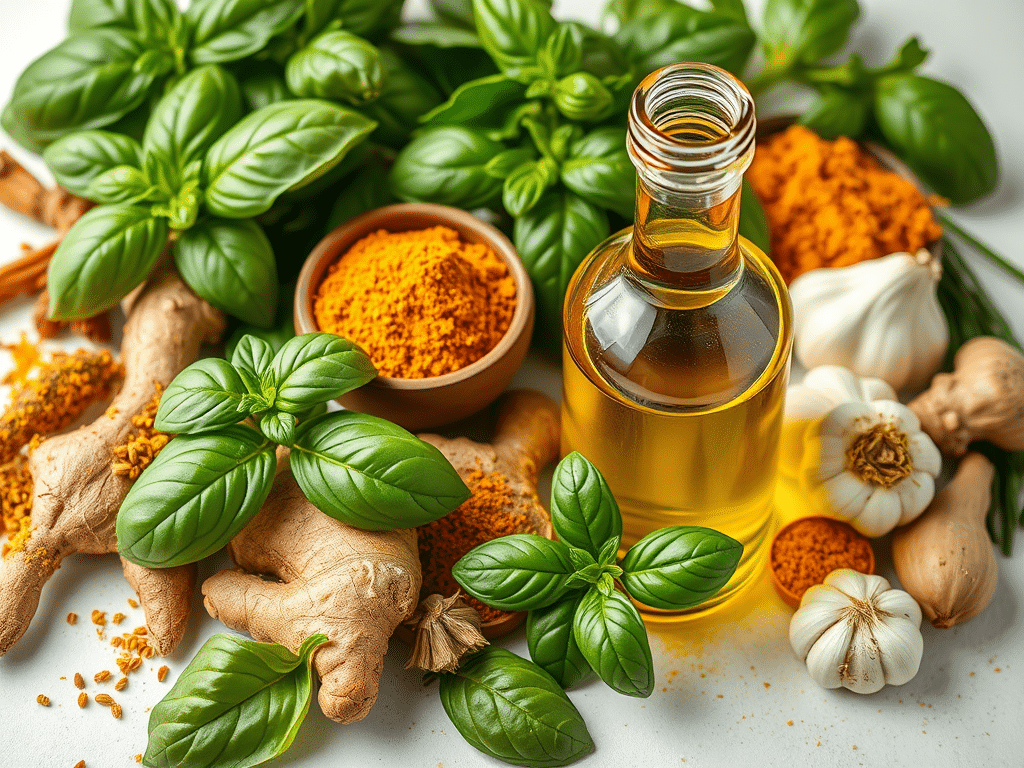
We didn’t know the word “antioxidant,” but we knew that eating right kept you strong. We didn’t say “anti-inflammatory,” but we knew that fresh herbs and spices made you feel better when you were under the weather. Food wasn’t just food. It was medicine too, for example: the hot toddies to stop the cough and clear congestion, the warm olive oil dripped in the ear to relieve ear discomfort, and the wet herb mixtures for bug bites. Yes, I remember it vividly. It was culture and tradition.
The Balance Between Indulgence and Intention
Let’s be honest, healthy eating doesn’t always mean low-calorie or sugar-free. As a matter of fact, some of the most healing foods, such as sweet potatoes, honey, and red wine, are indulgent by nature. But when used wisely and combined with farm-to-table nutrition, they become part of a long-term, sustainable way of eating.
In our home, moderation is key. We enjoy buttery dishes and rich sauces, but we also prioritize greens, legumes, and whole grains. We snack on roasted nuts, fresh fruit, and yogurt instead of processed snacks. The goal? Anti-inflammatory meals that feel indulgent without compromising our health.
Cooking as Connection: Anti-Inflammatory Meals To Remember
Each dish in my cookbook is more than a list of ingredients—it’s a piece of our family story. The act of cooking becomes a bridge between generations, a conversation between past and present. When we stir sauce in a cast iron pot or chop garden-grown herbs, we’re not just feeding our bodies—we’re feeding our souls, and that is a great thing!
This idea of traditional family cooking is what makes the recipes so rich in meaning. They’re crafted with intention, shared during holidays, and served at celebrations. And when someone asks for seconds, it feels like the ultimate compliment.
Healing in the Kitchen: The Emotional Side of Superfoods & Farm-To-Table Nutrition
Let’s not forget the emotional nourishment that comes from preparing and enjoying a good meal. A warm kitchen, a filled plate, and familiar smells are known to trigger positive memories and reduce stress. Cooking with immune supporting food and natural ingredients is one way we care for ourselves and our loved ones.
If food is fuel, then let it also be joy. Let it comfort you after a long day and energize you for the next. Let it remind you of where you come from and what matters most.
Recommended Reading: Remedies and Recipes for a Better Life
In my quest to bridge the gap between health and heritage, I stumbled across a gem: How to Use Superfoods as Medicine. It’s a stunning and informative book available for free on Kindle, and I can’t recommend it enough.
This guide takes everything we now know about nutrition and packages it into real-world advice for how to use functional foods to improve digestion, circulation, metabolism, memory, and more. You’ll find:
- Simple recipes using everyday ingredients
- Remedies passed down from generations (sound familiar?)
- Clear, research-based info without the fluff
Grab a copy, it’s the perfect complement to your cookbook journey.
Tie It All Together with the Best Louisiana Cookbook

When I first created the Best Louisiana Cookbook in 2007, it was a gift for my son Joey—a way to preserve our family’s culinary history. Over 90 recipes later, it’s become something much bigger. It’s a love letter to our heritage, a celebration of traditional family cooking, and yes, even a guide to real-life superfood nourishment.
These are the meals that have filled our bellies and healed our hearts. They’re the dishes we gather around for birthdays, holidays, and Sunday suppers. They’re more than food—they’re memories on a plate.
Final Thoughts: Eat With Purpose, Cook With Love
In the end, the best food isn’t just about nutrients—it’s about nourishment. It’s about taking the time to select fresh ingredients, honoring the generations before us, and cooking meals that give back in more ways than one.
Your health is your heritage. The choices you make today, what you grow, what you cook, and what you pass down create a ripple effect for the future.
Let your kitchen be your pharmacy. Let your pantry reflect the seasons. And let your recipes tell a story that your children and grandchildren will proudly carry on.
Take a few minutes each day to slow down, sip, and savor something that truly supports your body. Starting your morning with a pure, nutrient-packed green tea can be a small but powerful act of self-care
Con tanto amore, un pizzico di benessere, una manciata di ricordi… e sempre un po’ di lagniappe.
(With lots of love, a pinch of wellness, a handful of memories… and always a little something extra.)
